
Choosing the Right AI Agent for Your Marketing Workflow
Addlly AI offers different agents for different marketing tasks, from blog writing and newsletters to audits, campaign planning, and social content. Choosing the right one starts with understanding what your team needs most right now, whether that is faster publishing, stronger SEO performance, better AI visibility, or more consistent output across channels.
As discovery changes, marketing teams need workflows that support both traditional search and AI-driven experiences. That means the right Addlly AI agent is not just about producing content faster. It is also about choosing the agent that best supports your workflow, visibility goals, and team capacity. This guide will help you identify the right starting point based on the type of output you need, the role the agent plays, and how different agents can work together over time.
1. Start with the Output You Need Most
Before choosing an agent, start with one question:
What is the content or workflow your team needs most often?
Most teams do not need every agent at once. Usually, there is a single clear bottleneck that slows everything else. That might be blog production, campaign planning, social posting, product copy, or visibility in AI search. The fastest way to choose the right agent is to match it to the output your team needs most right now.
| If you need... | Start with this agent |
|---|---|
| Weekly SEO blogs, rewritten content, or FAQ pages | SEO & Blog Writing Agent |
| Better visibility in AI-generated answers and answer engines | GEO Audit Agent and GEO Rewrite Agent |
| High-volume multilingual social content | Social Media Agent |
| Increased production in high-quality video content | Youtube Script Generation Agent |
| Regular email newsletters | Newsletter Agent |
| Product listings or ecommerce descriptions | Product Detail Page Agent |
| Schema markup for easier AI visibility | AI Schema Markup Generator |
Each agent is designed for a specific workflow, so the goal is not to choose everything. It is to start where the operational need is strongest.
2. Match AI Agents to Roles, Not Tools
Most AI platforms give you tools. Addlly AI gives you workflow-based agents.
Instead of thinking in terms of disconnected software features, it is more useful to think in terms of roles. Each Addlly AI agent supports a specific marketing function, which makes it easier to choose based on the job that needs to be done.
Writing and Publishing Agents
Content Creation Agents
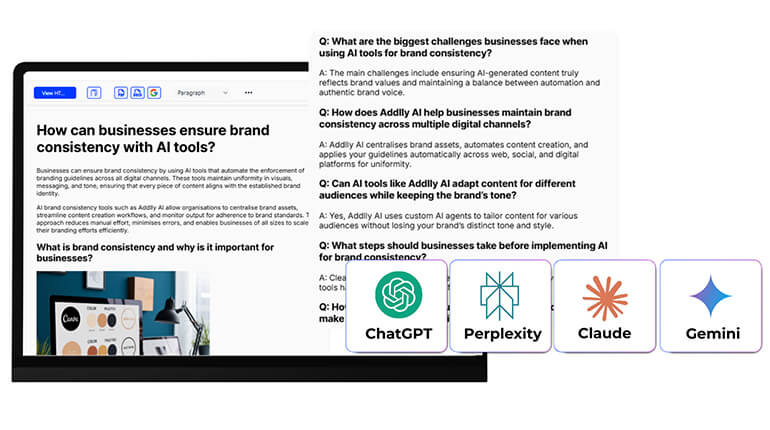
GEO AI Agent
Get cited on Google, ChatGPT, and Perplexity with Addlly’s GEO AI Agent. Optimize content for AI search without losing your brand’s voice.
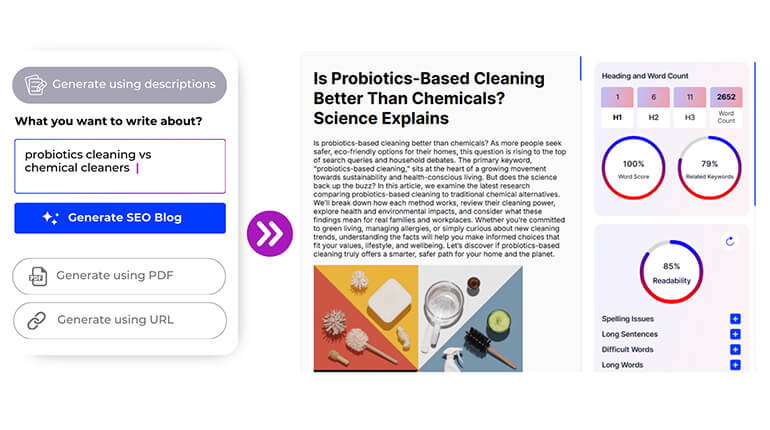
SEO AI Agent
Perform keyword research, content creation, and SERP analysis in just a few clicks. Let automation boost your rankings, improve SEO performance, and save hours daily.
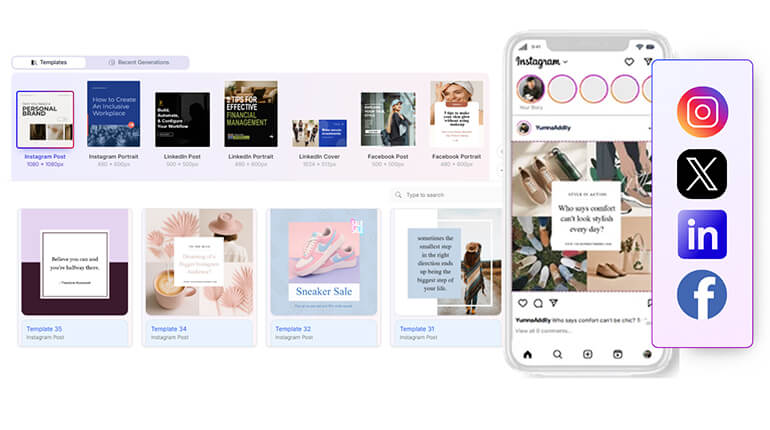
Social Media AI Writer Agent
Plan, create, and publish social media posts on-brand. This AI agent gives you 100s of editable templates, engaging copy, and real-time content ideas.
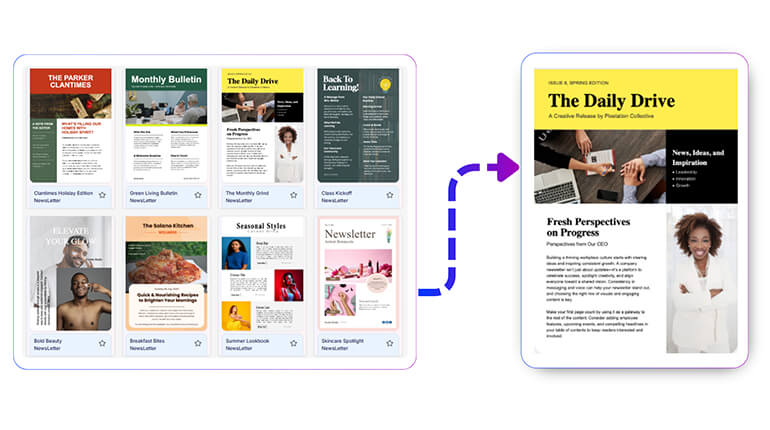
Newsletter AI WriterAgent
Create engaging, on-brand newsletters in minutes. No design or copywriting skills required. Choose from 100s of industry-specific templates, and export ready-to-send email content.
These agents are best for teams focused on content creation, publishing speed, and output consistency.
- GEO Rewrite Agent: Rewrites existing content to improve structure, clarity, and citation readiness for AI-driven discovery.
- SEO AI Writing Agent: Generates long-form blog content designed for traditional search visibility and ongoing publishing needs.
- Newsletter Agent: Creates newsletters that align with campaign themes, updates, and audience segments.
- Social Media Agent: Generates platform-specific social posts, adapts tone by channel, and supports multilingual publishing.
- Youtube Script Generation Agent: Generates Youtube scripts to engage your audience and grow your channel.
- Product Detail Page Agent: Writes product copy that is optimized for clarity, conversion, and search readiness.
Audit and Optimization Agents
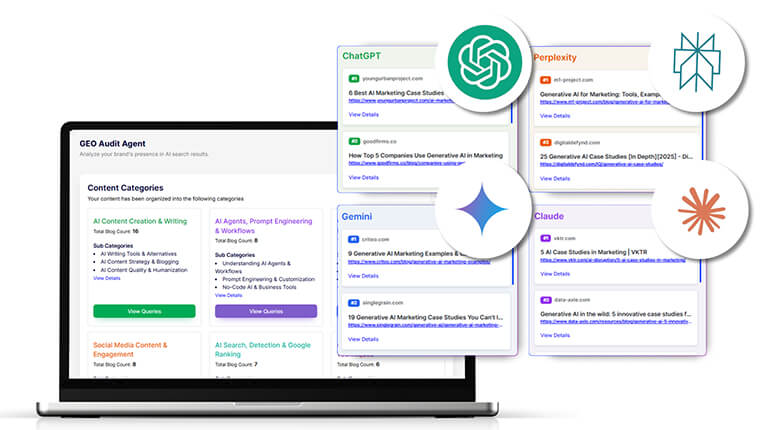
GEO AI Audit
See where your brand appears in AI answers across ChatGPT, Gemini, Perplexity, and Copilot. Benchmark competitors. Act on gaps.
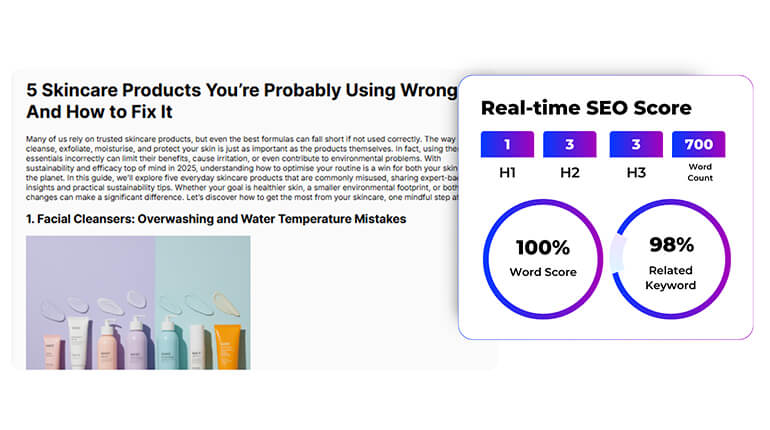
SEO Audit AI Agent
Check your website’s SEO performance in minutes. This AI agent suggests keywords, meta titles and descriptions, and site structure. Get a prioritized list to lift rankings and search visibility.
These agents are best for teams focused on visibility, technical readiness, and performance improvement across search and AI answer environments.
- GEO Audit Agent: Reviews how your brand appears across AI platforms and identifies gaps in visibility, citations, and AI search presence.
- SEO Audit Agent: Flags issues related to search structure, missed keyword opportunities, and content weaknesses.
- AI Schema Markup Generator: Creates accurate structured data or schema markup to make your content understandable to AI engines.
This is where the GEO and AI visibility angle becomes especially important. SEO agents support traditional search performance, while GEO-focused agents help brands improve how they appear in AI-generated answers, summaries, and answer-engine experiences. For many teams, both matter.
Strategy and Planning Agents
These agents are best for teams that need help turning goals into structured content direction.
- Social Listening Agent: Surfaces trends, keyword themes, and sentiment shifts that can influence planning and content direction.
3. Think in AI Agent Flows, Not One-off Tasks
The biggest gains usually come when agents work together.
Most teams do not just need one isolated asset. A blog may need to be optimized for search, adapted for AI visibility, repurposed into social posts, and referenced in a newsletter. That is where agent flows become useful. Instead of treating each task separately, you can connect agents into a repeatable workflow.
Here are a few common examples:
SEO and GEO Content Flow
SEO Audit Agent or GEO Audit Agent → GEO Rewrite Agent → SEO AI Writing Agent
Useful when your goal is stronger visibility across both traditional search and AI-driven discovery.
eCommerce Flow
Product Detail Page Agent → Social Media Agent + Newsletter Agent
Useful for launches, promotions, and product-focused campaigns.
Thinking this way makes it easier to scale over time. You do not need to build everything at once, but it helps to understand how one agent can lead into the next.
4. Choose Based on Team Bandwidth
Not every team can activate multiple workflows at once, and that is fine.
If your team is lean, start with the agent that removes your biggest time drain. This is often the easiest way to create value quickly and build confidence before expanding into more workflows.
| Team pain point | Recommended agent |
|---|---|
| Not enough blogs getting published | SEO Blog Agent |
| Inconsistent posting on social | Social Media Agent |
| Newsletter deadlines keep slipping | Newsletter Agent |
| Need to improve AI search visibility | GEO Audit Agent + GEO Rewrite Agent |
| Product copy is underperforming | Product Detail Page Agent |
This approach works well because it ties adoption to a real operational need, not just a feature list. Start where the pressure is highest, then add more agents as your workflow matures.
5. Zero-Prompt Setup for Faster Agent Workflows
Addlly AI agents are built to reduce the amount of manual prompting required for common marketing tasks. Once your URL, brand guidelines, and key inputs are in place, you can choose the agent that fits the workflow and let the system apply the structure, tone, and context behind the scenes.
That means you do not need to explain the basics of every task from scratch each time. The goal is to make agent selection and execution simpler, so teams can focus more on workflow outcomes and less on constructing prompts.
Final Tip: Start with the Agent That Solves Your Biggest Bottleneck
You do not need to build a full agent ecosystem on day one.
The best place to start is with the agent that solves your most immediate workflow problem, whether that is blog production, campaign planning, social publishing, product copy, or AI visibility. Once you have one workflow running well, it becomes much easier to layer in other agents that support adjacent tasks.
A practical rollout usually looks like this:
- start with one agent tied to a real need
- use it in a live workflow
- measure time saved, output quality, and consistency
- expand into related agents once the first workflow is working well
That approach keeps adoption manageable and helps teams build toward stronger visibility, better content operations, and more connected workflows over time.
FAQs
How do I know which AI agent to start with?
Can Addlly AI agents help with multilingual content?
Yes. Agents such as the Social Media Agent and blog-related writing agents can support multilingual workflows, which makes them useful for brands publishing across different regions, languages, or local market needs.
Do agents replace marketers?
No. Agents support marketers by helping with execution, production, and repetitive work. Teams still set strategy, review outputs, and decide how content should align with business goals, brand voice, and campaign direction.
Should I start with audits or content creation?
That depends on the problem you need to solve first. Start with audits when visibility, structure, or discoverability is the main issue. Start with content creation when your biggest need is publishing more assets faster and more consistently.
Do all agents use the same brand setup?
Yes. Addlly AI agents work from the same validated brand inputs and training context, so you do not need to retrain each one separately. This helps keep output more consistent across different workflows and formats.
Can one workflow include blogs, social posts, and email?
Yes. That is one of the main advantages of agent flows. A strategy or visibility workflow can lead into blog creation, social content, and email production, allowing teams to build more connected campaigns from one starting point.